

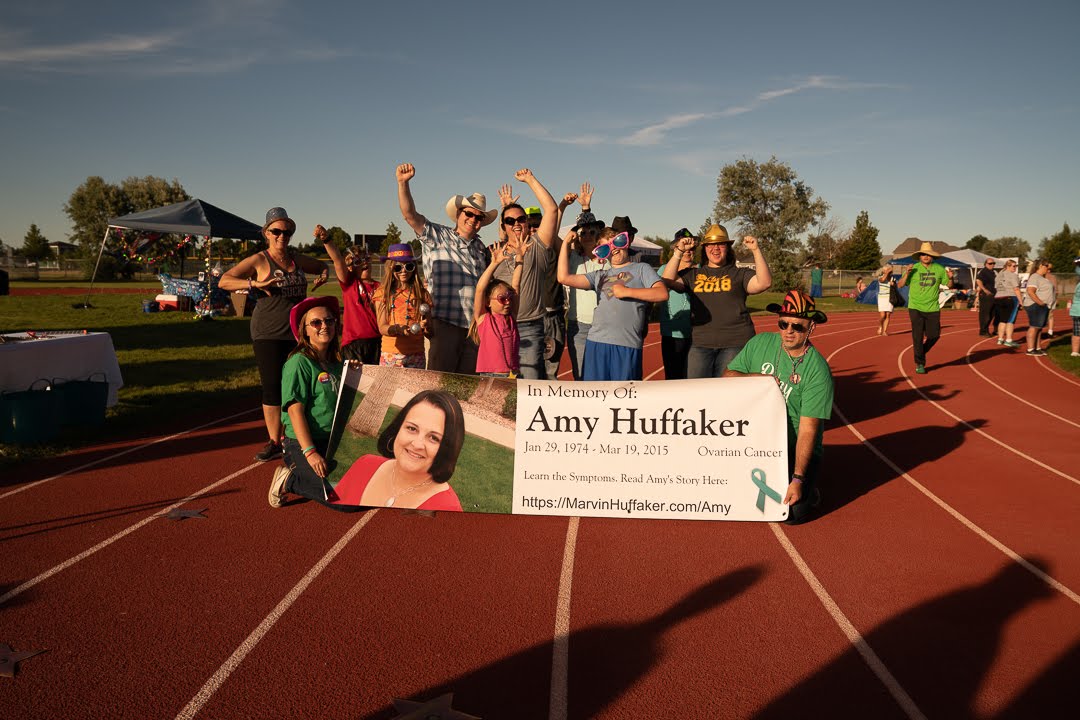
In Memory of Amy Huffaker
My wife, Amy Huffaker, passed away from ovarian cancer in March 2015. She was diagnosed with stage 3C ovarian cancer at the age of 37 and endured more than three years of extensive treatment before passing away at just 41 years old. We were only one week away from celebrating our 21st wedding anniversary.
Amy’s Story
For approximately two years before her diagnosis, Amy experienced a variety of symptoms, including bloating, abdominal pain, and feeling full very quickly after eating. She would often describe the sensation as feeling like there was a brick in her stomach.
She also experienced unusual hormonal changes, fluctuations in her weight, and dark hair growth on her chin and neck.
During that time, Amy saw several doctors. Unfortunately, the possibility of cancer was generally dismissed because she was considered too young. Instead, doctors investigated other possible explanations, including food allergies, food intolerances, irritable bowel syndrome, and hormonal imbalances.
Nobody connected her symptoms with her family history of cancer. At the time, neither of us fully understood the significance of that history or the warning signs we should have been watching for.
Looking back, I often wonder whether greater awareness of her symptoms, family history, and hereditary cancer risks might have led to an earlier diagnosis.
Even after scans and other tests, doctors were uncertain whether Amy had cancer. It wasn’t until her radical hysterectomy that the extent of the disease became apparent. Cancer had spread throughout her abdomen, and according to the gynecologic oncologist who performed her surgery, it was much worse than he had anticipated.



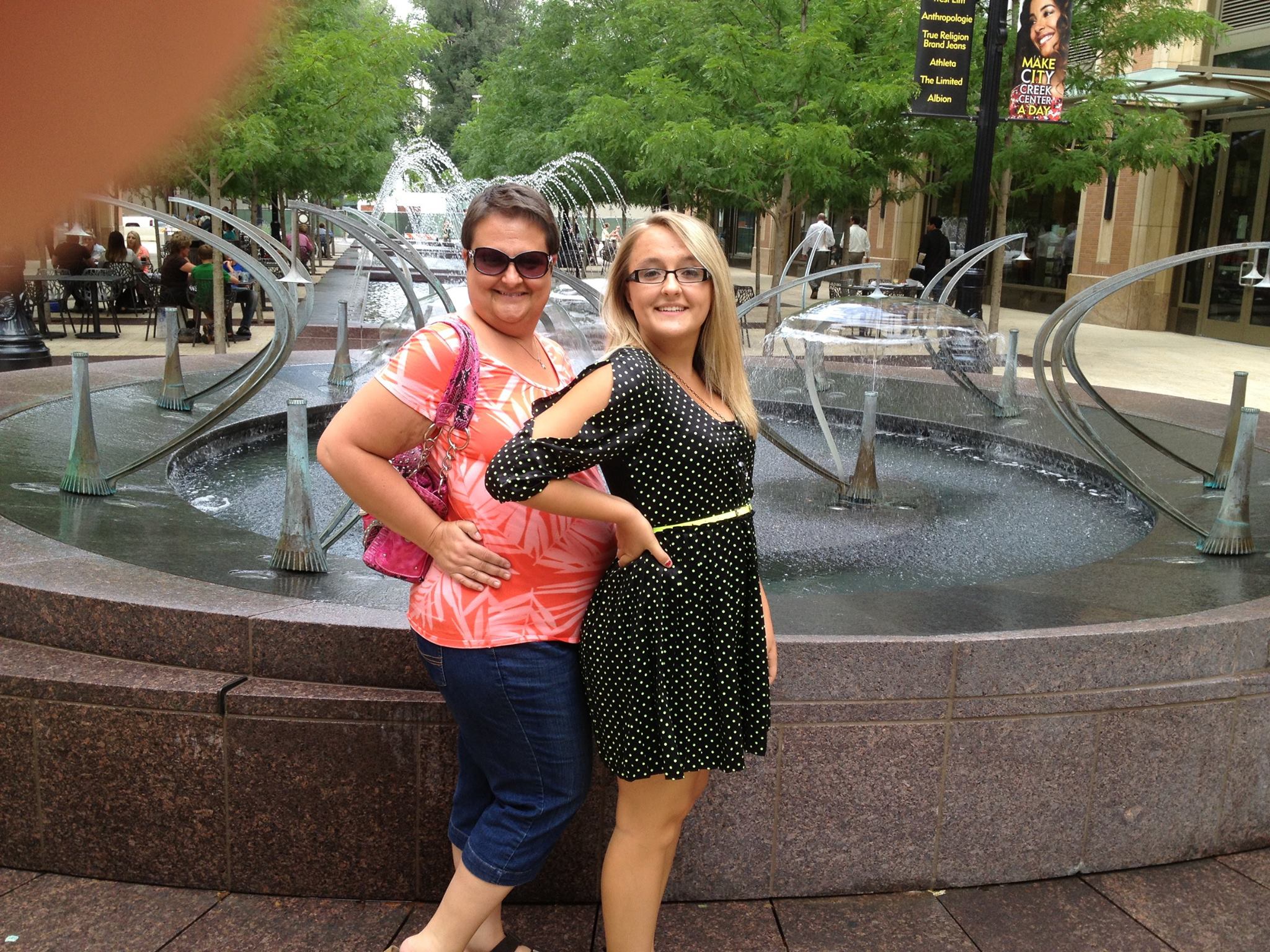
BRCA1 and Family History
During her treatment, Amy underwent genetic testing and was confirmed to carry a BRCA1 mutation.
Her sister had previously passed away from breast cancer in 2008. We later learned that Amy had an extensive family history of breast and ovarian cancer. One of her aunts had died from ovarian cancer, and her grandmother had passed away from breast cancer.
Before Amy’s diagnosis, much of this family history was not widely known or discussed.
What troubles me most is that Amy had a significant family history of cancer, yet I was largely unaware of it. Even if I had known, I’m not sure I would have understood how much it increased her risk or what steps we should have taken.
Knowing what I know today, we would likely have approached her early symptoms very differently.
This is one of the reasons I believe so strongly in raising awareness about BRCA mutations, hereditary cancer risks, and the importance of knowing your family’s medical history.
Ovarian Cancer Awareness
Ovarian cancer has historically been called the “silent killer” because it was believed that noticeable symptoms rarely appeared until the disease had reached an advanced stage.
We now know that ovarian cancer can produce symptoms, including in earlier stages. Unfortunately, those symptoms can be subtle and easily mistaken for more common conditions.
Some symptoms to be aware of include:
- Persistent bloating
- Pelvic or abdominal pain
- Difficulty eating or feeling full quickly
- Urinary urgency or increased frequency
These symptoms do not necessarily indicate ovarian cancer. However, when they are new, persistent, frequent, or represent a noticeable change from what is normal for your body, they deserve medical attention.
A family history of breast or ovarian cancer is also important because it may indicate an inherited cancer risk, particularly when BRCA1 or BRCA2 mutations are involved.
Women experiencing persistent symptoms should discuss them with a healthcare professional, preferably a gynecologist. Those with a significant family history of cancer may also benefit from genetic counseling and risk assessment.
Amy’s experience taught me how important it is to recognize changes in the body, understand family history, and advocate for answers when something doesn’t seem right.


Honoring Amy Through Awareness
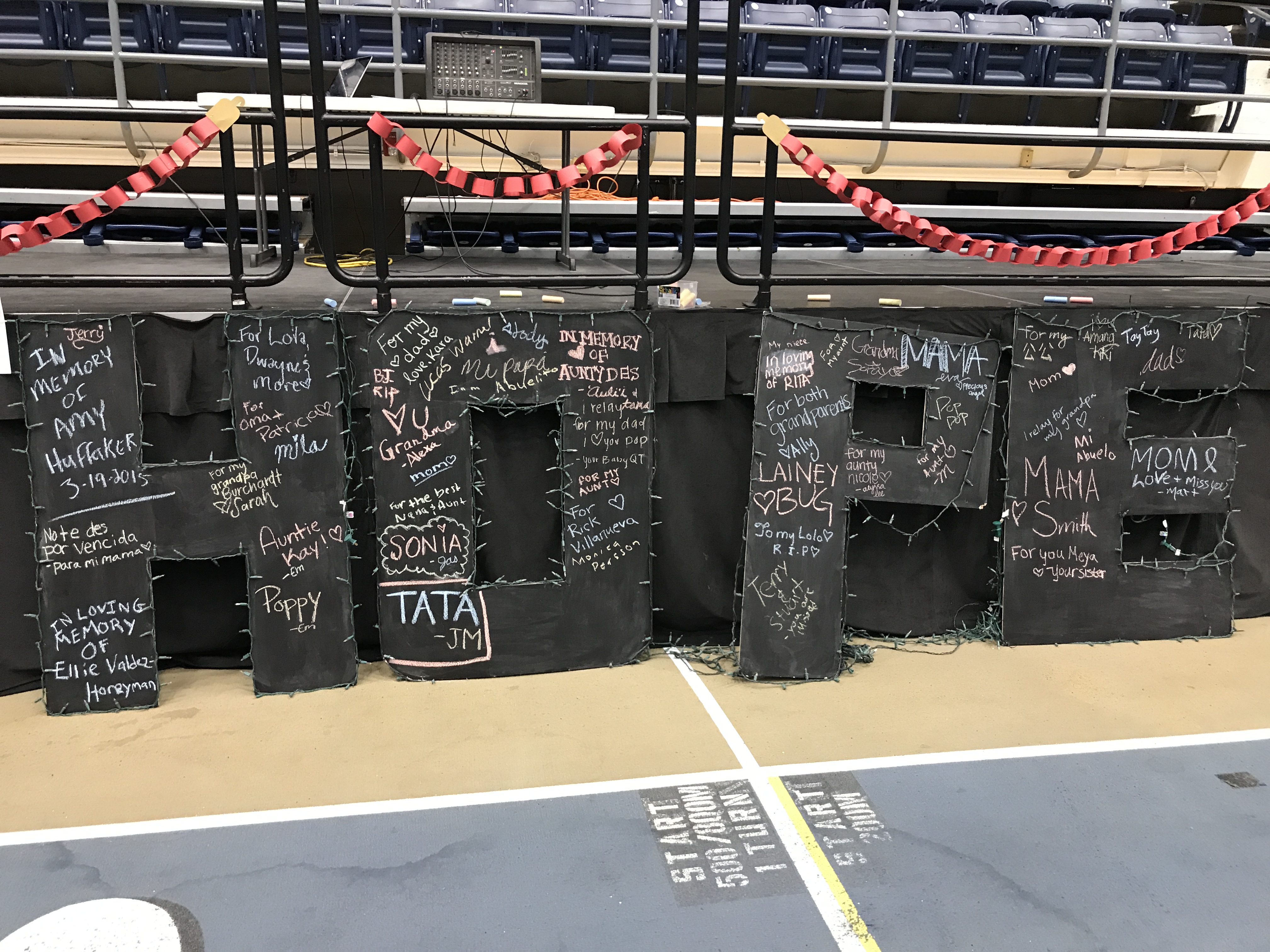
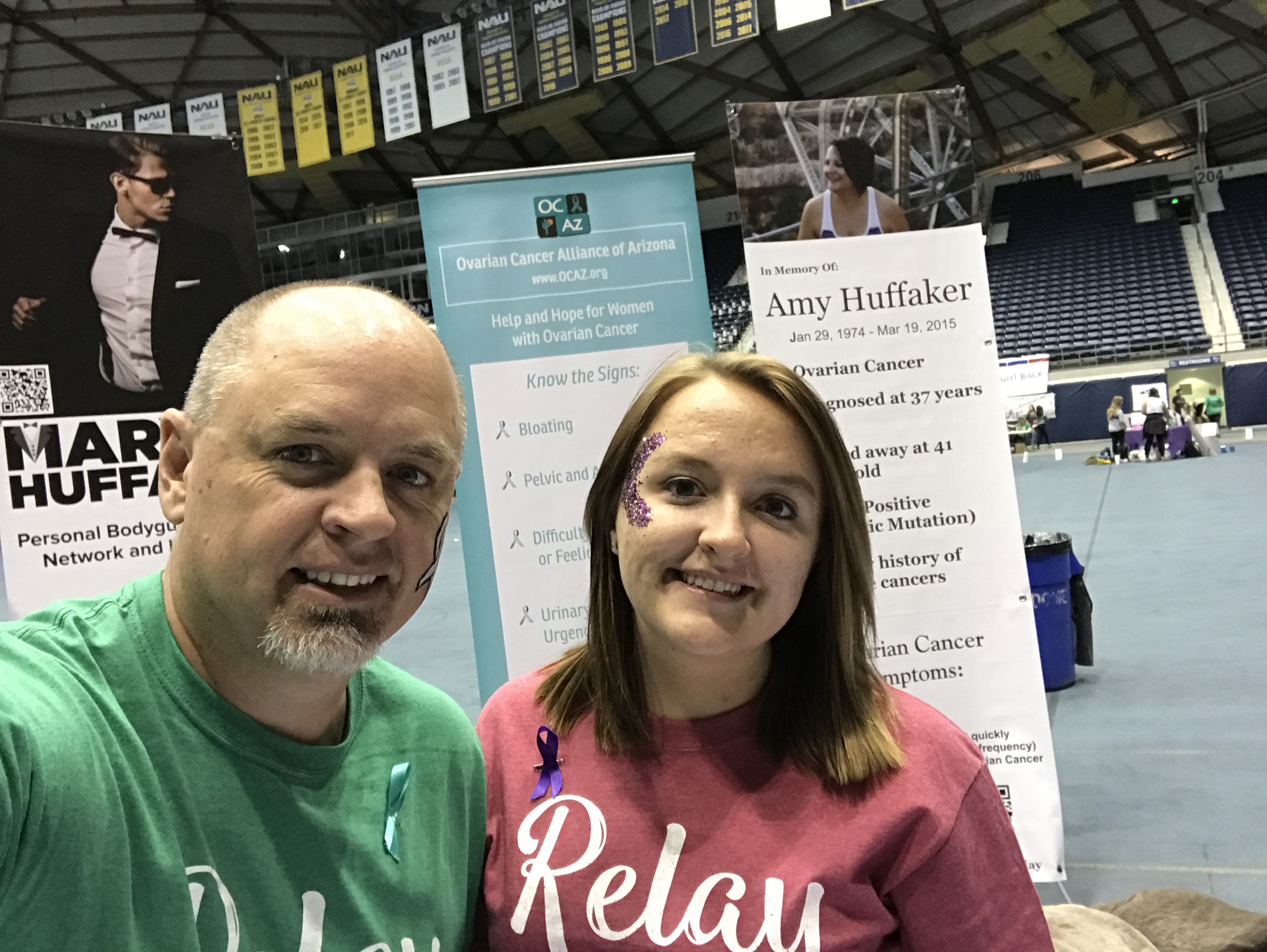
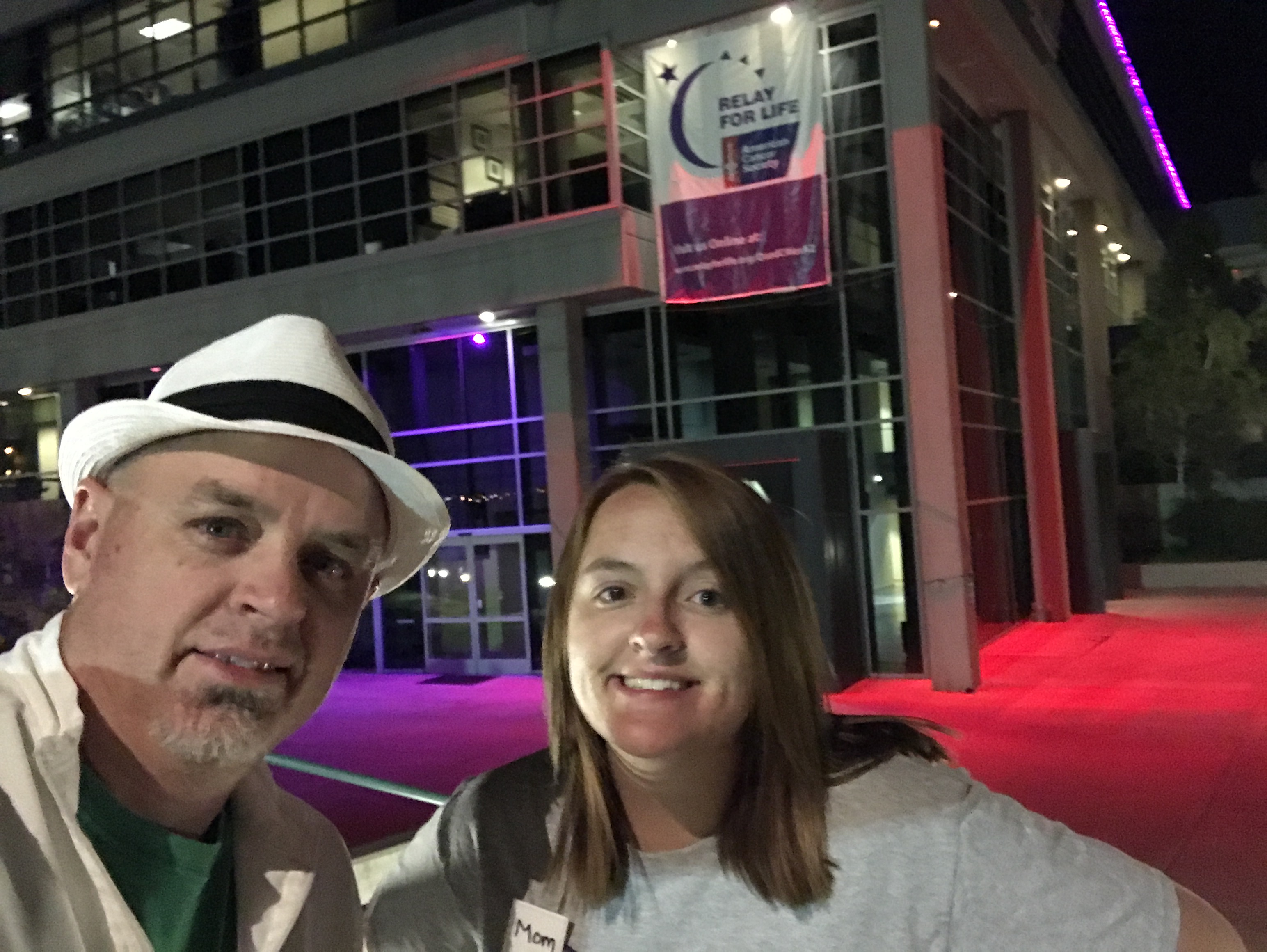
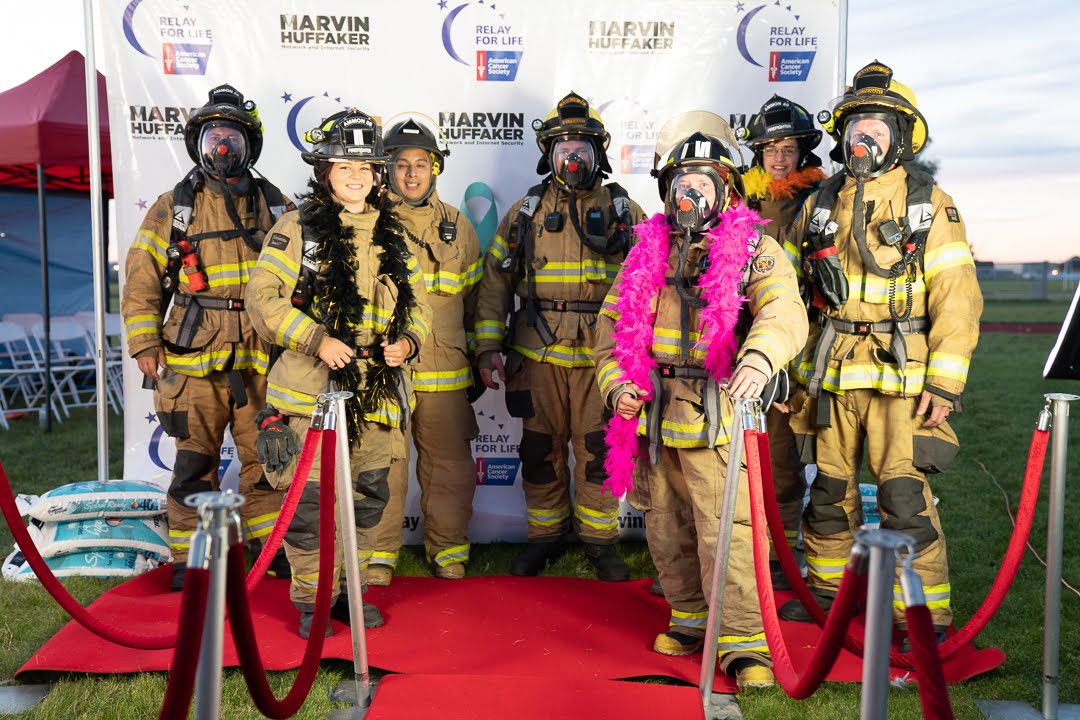
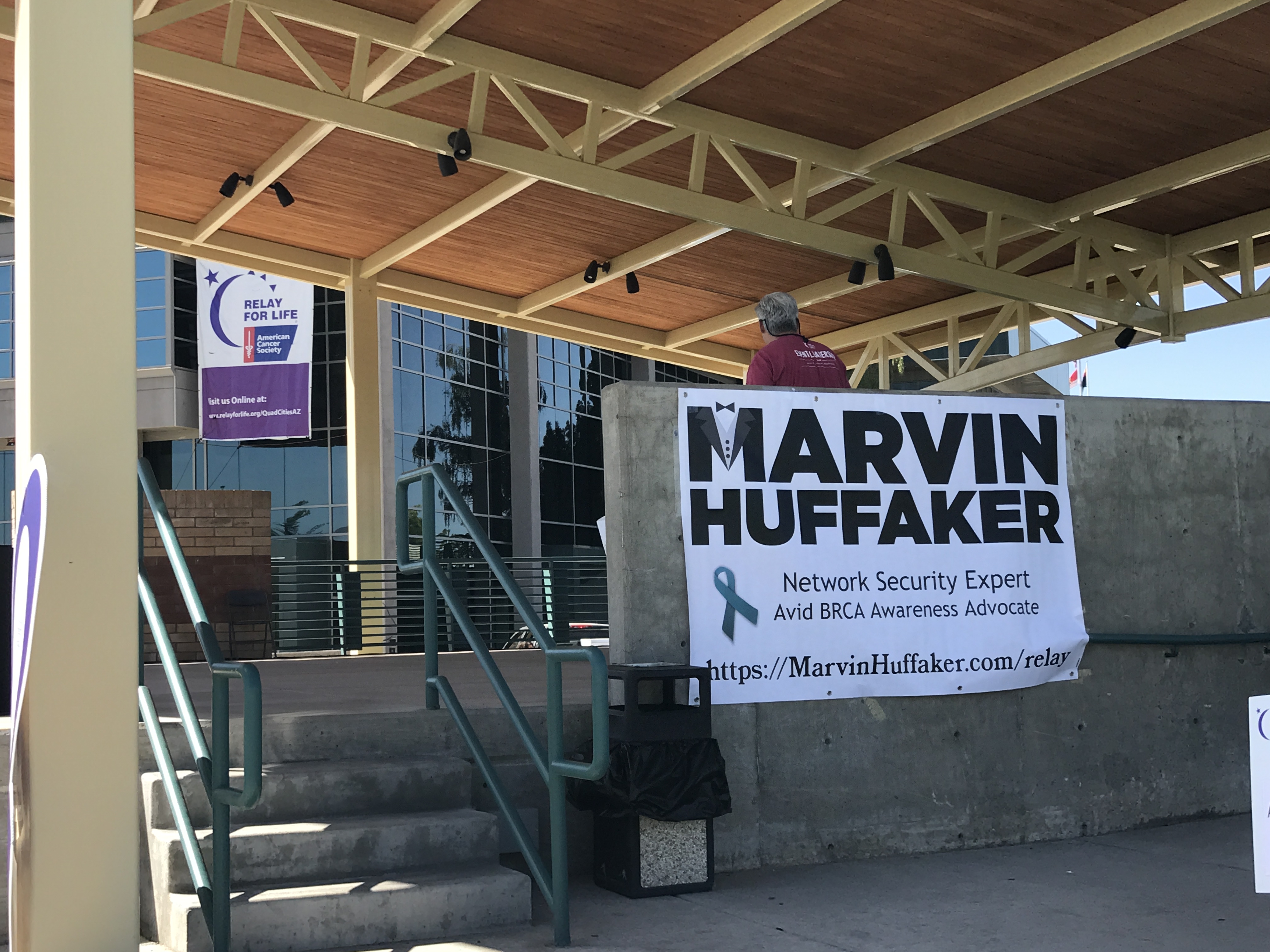
Following Amy’s passing, I became involved in supporting cancer awareness, research, and charitable organizations, including serving on the Board of Directors for the Ovarian Cancer Alliance of Arizona and participating in Relay for Life events.
For me, that involvement was always deeply personal.
I participated in Relay for Life to remember Amy, honor others who had lost their lives to cancer, support those still fighting, and recognize the caregivers who stand beside their loved ones through treatment, uncertainty, and loss.
I also wanted to raise awareness about BRCA genetic mutations, hereditary cancer risks, and the importance of understanding family medical history. These were things I wish we had understood better before Amy’s diagnosis.
Although my involvement in organized fundraising events has changed over the years, my commitment to raising awareness has not.
That is one of the reasons I maintain this website and continue sharing Amy’s story.
If sharing our experience helps even one person recognize symptoms they might otherwise dismiss, ask questions about their family history, or seek medical attention sooner, then telling Amy’s story has served a meaningful purpose.
I can’t change what happened to Amy, but I can continue honoring her memory by sharing what we learned and helping others become more aware of the risks and warning signs of ovarian cancer.